Uncategorized

Landing in Queer Magic Retreat – June 19-21, 2026

Join us (Kalen + Beckham) for a weekend of queer magic in community and nature! 

When? 

June 19-21

Friday (4-6pm arrival) through to Sunday (4pm departure)

Where? 

The Land – 1 hour from Victoria in the Cowichan Valley (more details below)

What? 

We will be offering a balance of facilitated activities and unstructured time to just be, in all our queer glories, in nature. This isn’t group therapy but it may feel therapeutic. Full schedule below. 

Facilitated activities may include sharing circles, structured games and embodied play, guided mindfulness practices, arts and crafts, invitations into nature connection activities. Activities will help us explore themes related to our queer identities/narratives, community, connection, queer joy/sorrow, and authentic expression. 

During unstructured time, you will be welcome to take time to yourself (say, reading a book, journalling, exploring the woods, taking a nap or doing a craft). You might also take this time to connect with others. 

This retreat is intended as a time to recharge, practice self care, and land in community. 

Who?

Anyone 18+ who self-identifies as queer. Max 10 participants.

For those with accessibility issues please be in touch so we can discuss whether the venue will be suitable for you – more details on the location below.

This retreat is well suited for queer folx who think they might benefit from time in nature and time in community. 

You must be comfortable making wild wees (forest pees), using a pit toilet, possibly not showering 😯 (the outdoor shower is a bit temperamental so we don’t rely on it)

This retreat is not suited for folx in active mental health crises. 

Also, Kalen’s therapy dog Hazel (small labradoodle) will be with us for the weekend. If you have a challenge with dogs, please be in touch to discuss.

How much? 

$550-750 sliding scale

Cost includes:

  • 2 dinners + 2 breakfasts (bring your own lunches and snacks – fridges/coolers provided)
  • 2 nights camping accommodation – car camping and hike in camping available
    • If tenting is really not your thing, there will be an option to sleep in an enclosed structure (though you will likely be sharing with others) 
    • If this kind of accommodation is not comfortable for you, we can support you to find a nearby place to stay (for an extra fee) off site.
  • Programming throughout the weekend 
  • Support throughout the weekend from 2 facilitators and a support person
  • A preparation Zoom call on Wednesday June 10 at 7pm.

I’m in! How do I register?

For registration details, please email Kalen (kalen[at]pivotintoharmony[dot]com) or Beckham (ronaghantherapy[at]gmail[dot]com)

About the location: 

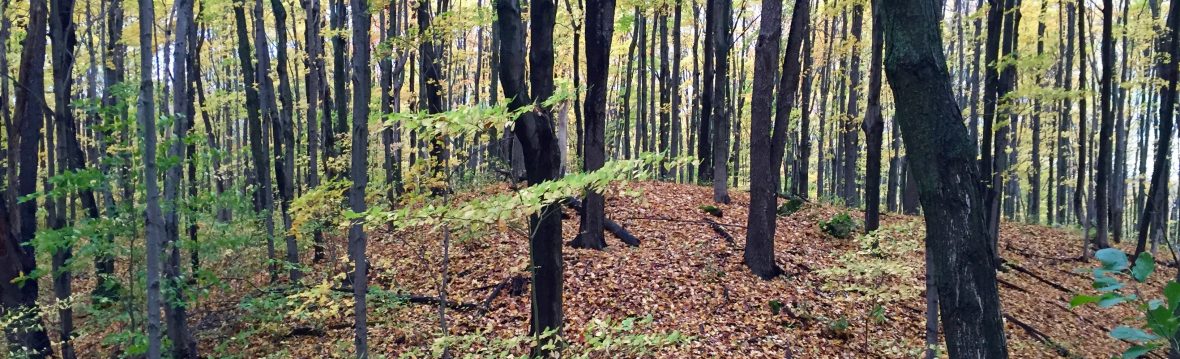
Parts of The Land are pictured below. Click on images to enlarge.

We will be gathering on “The Land” – 10 acres of mostly forested and wild land edging on the Cowichan Valley Regional trail, a 25 minute walk to the Kinsol Trestle and Koksilah River. 

Kalen has been stewarding and hosting small retreats on this land for the past 5 years. Tucked away at the end of a long driveway, we have lots of privacy and won’t be seeing any neighbours or other folks. We may hear cars, children, other neighbourly noises or activity on the nearby Cowichan Valley trail. Generally, the land is quiet and peaceful. We hear lots of birdsong and frogs, see lots of trees and big skies.

Infrastructure on the land includes: The Gathering Space (500 square foot shelter with a wood stove), an outhouse (pit toilet), a temperamental outdoor shower (cold showers are almost always an option), fridge and coolers for food storage, basic outdoor kitchen, coffee and tea station, tent platforms, multiple trails to explore, living altars and more.

There is no wifi on the land and cell service is available but sometimes spotty.

If you have questions about the Land please feel free to reach out to Kalen.

Health precautions:

We will be working with a health and safety policy that we hope will support everyone, including those who are immunocompromised, to feel safe, welcome and cared for. Guidelines about precautions we will take as a group will be shared with participants well in advance of the retreat. If you are immunocompromised and are interested in joining us but concerned about whether this space will work for you, please be in touch with us for more details.

Facilitator Bios:

Kalen Colson (they/them, RCC) is a nature-based therapist specializing in depth psychology, somatics and group work. Kalen takes heart in Buddhist philosophies and practices, time spent in nature, and their dog Hazel. Kalen is also a community organizer at heart, and believes in the power of connection with human and more-than-human communities to support our growth and sense of belonging.

Beckham Ronaghan (they/them, RSW) is a DBT informed therapist who works from a feminist, anti-oppressive lens. They love their kids, adventure, community, and spending time in nature. Beckham is passionate about group work and believes that change comes through experience and connection.

Deposit and cancellation policy 

50% deposit required to hold your spot

Full payment required by May 15. (If you require a payment plan, please be in touch with us to discuss.)

Cancellation Policy – We are able to provide a full refund with notice by May 15. No refunds after May 15.

Extenuating circumstances will be considered on a case by case basis.

Schedule: *subject to slight modifications 

Friday 

4-6pm – Arrival and camping set up 

6-7pm – Dinner 

7-9pm – Welcoming circle, orientation 

9pm – campfire and bedtime 

Saturday 

8-9am –  breakfast 

9-10am – get ready for the day 

10-12 – programming 

12-2pm – lunch and free time 

2-4pm – programming 

4-6 – free time 

6-7 – dinner 

7:30-9:30 – programming 

Sunday 

8-9am – serving breakfast 

9-10am – get ready for the day 

10-12 – programming 

12-1pm – lunch and free time 

1-3pm – programming and closing circle 

3-4pm – pack and go 

*This is a substance free event. If you have a relationship with a substance that you work with as a medicine, please contact us to discuss.

Offering, Uncategorized

Landing: An outdoor ecotherapy group – June 2026

Facilitated by Kalen Colson (they/them)

A series of 4 Thursdays in June, 1-4pm @ an accessible location in Victoria, Lekwungen Territory
Exact location details provided upon registration

Cost: $45-$75 sliding scale per 3 hr session
10 participants max

Join us as we gather to explore themes of relationship and interconnection – with land, fellow humans, the more than human world and more. 

Each week will include elements of group sharing and witnessing, invitations into intentional solo wanders on the land, and related nature-based therapy activities. We will be weaving in practices and skills that will help you explore your own way of connecting to the land, to Self and to each other. 

Facilitation will be emergent – themes over the course of the group are likely to include:

  • Ecopsychology
  • Local ecology
  • Soul work
  • Dreamwork
  • Grief work
  • Community – human and more than human
  • Self-designed and collective ceremony/ritual
  • Mindfulness
  • Embodiment practices

This group is best suited for those who are interested in learning about or deepening:

  • Nature connection practices and ways of being in relationship with the land 
  • Being in relationship with other humans, being present and authentic in group settings – often a vulnerable undertaking!

This group is not intended to suited for those in active mental health crises

This group will be held with an anti-oppressive frame and a decolonial lens

Rain or shine – Bring your rain gear and warm tea! We will meet regardless and find drier places to be as needed.

To register or have a consult call about joining this group, contact Kalen – kalenleaf[at]gmail.com

image: Ragged Falls in Algonquin Park, Anishnaabe Territory. Fall, 2016.
Uncategorized

Honouring the Liminal by Going Within – Nov 2 on The Land

Join us Sunday, Nov 2 for a day of ceremony, guided movement and meditation practices and invitations into land-based and communal rituals.

Click here for more info and registration

~

“Silence is a form of hospitality to what is most tender in us. It offers a courtesy of attention and witnessing that is often lacking in our cultural attitudes.” Francis Weller

~~

From my latest newsletter:

October Greetings,

As the seasons turn and darkness descends, I’m witnessing many changes in the air, the land and in the inner realms of myself and the people around me. The transition from Summer to Fall tends to have quite an impact on the body and the psyche. Are you feeling it?

Fall offers us a beautiful invitation to turn inward. This season tends to be a time when people put more energy into nesting in home spaces, work or studies, crafts and rest. We tend to direct less energy toward being social. 

As a result, we often find ourselves in fewer spaces of connection and community. As social mammals, our wellbeing (mental, physical, spiritual) can be impacted by the experience of spending more time alone. 

Time alone can be healing, rejuvenating, confronting, lonely, agonizing. The whole spectrum. 

Here’s the paradox – by coming together with intention and practice, we offer each other permission to be profoundly alone and to be held in that aloneness. To be profoundly alone with ourselves is, in my view, both a basic human need and oftentimes a struggle.

And here’s another paradox – we are also never alone. We are surrounded by an animate, ensouled world in which plants, animals, skies and stars and rivers, ancestors and land are speaking and dreaming. When we get quiet enough within ourselves, we afford ourselves the opportunity to sense into voices, images and messages from beyond ourselves.

I have come to know that for myself, the support of community and a solid container helps me to go deeper within myself, deeper within practices, deeper into mystery. This is why I’m so drawn to retreats. Sharing space with people – often silent space – helps me tap into myself in a way that I simply cannot access on my own.

Join Colleen and I on November 2 when the veil will be very thin. This will be a gentle day of ceremony, practice, emergence and connection. As a community, we will co-create spaces for connection with self, land, each other and Spirit.  

~~~

EVENT DESCRIPTION:

The flow: Our day will begin with an opening ceremony where we’ll co-create an ancestral altar and set intentions. From there we’ll practice embodied connection through guided movement and meditation practices. We’ll have an extended and silent lunch break where folks will be invited to go out onto the land to make offerings and hold self-designed ceremonies. Suggestions on how to do this will be available and in the event of heavy rain, participants will have the option to continue their practice and create ceremony indoors. Our afternoon will include some guided, community-based activities and group sharing, as well as a closing ceremony.

We anticipate the day will be emergent and co-creative. No prior experience with ceremony or meditation is required. We honour that we are all at different stages of our journeys and value the diversity of backgrounds and perspectives that come together in community offerings.

This offering is inspired by multiple lineages and teachers, including but not limited to Joanna Macy, Deep Ecology, The Animas Valley Institute, Francis Weller, Zen Buddhism, and Perdita Finn.

~~~~

YOUR HOSTS

Kalen Colson, RCC (they/them) is a nature-based therapist, certified Mindfulness Meditation Teacher and a land tender. Kalen has been studying and practicing group facilitation, land connection work and cultivating ceremonial spaces for over a decade. Currently delving into the practices of deep ecology and soul work, Kalen is living the questions of how their work can support decolonization and right relationship with the land and its first people. For more information about Kalen visit: www.pivotintoharmony.com

Colleen Browne (she/her) has been meditating for 15 years. She lived at Tassajara Zen Center (the monastery for San Francisco Zen Center) for 3 years, is a certified Mindfulness Meditation and Yoga Teacher and hosts a weekly meditation gathering at her home in Shawnigan Lake. Lately she has been exploring ancestral work with Perdita Finn and expanding her understanding of Sprit.

~~~~

YOUR CONTAINER

Located on the traditional territories of the Hul’qumi’num’ speaking peoples of the Cowichan tribes, The Land is 10 acres of relatively wild and secluded forest about 10 minutes from Cowichan Station and a 30 minute walk from the Koksilah River. Kalen has been stewarding The Land since 2021 with a vision for holding nature-based therapy retreats and practices. The land has power, running water, an outhouse and a gathering space for events and workshops.

Sign up for my newsletter to catch future offerings and musings

Offering, Uncategorized

When Things Fall Apart: Book Club & Meditation Practice Group, Starts October 17


It’s not a question of if but when. Things, they fall apart. Then what? This beautiful book by Pema Chödöon is a clear articulation of Buddhist philosophy, with accompanying practices to explore these principles in action.

I personally read this book every few years and this year I want to read it in community.

Join me and fellow explorers for a book club and practice group. No previous meditation or mindfulness experience necessary.

Friday mornings, 7-8am PST/10-11am EST – 8 meetings total.

Dates: October 17, 24, 31, Nov 7, 21, 28, Dec 5, 19.

Each session will include a discussion of the assigned reading, a practice period, and small group sharing. Spots are limited.

Email kalenleaf@gmail.com to register.

Investment: $240

Uncategorized

On Ceremony & Ritual

“To be able to face our fears, we must remember how to perform ritual. To remember how to perform ritual, we must slow down.”  – Malidoma Patrice Somé

Despite having participated in many ceremonies that have been deeply meaningful to me, trying to describe them leaves me wanting for words. Perhaps this is because in many ways, ceremonial experiences are ineffable. Alchemical in nature, the power of ceremony can reach beyond the specifics of what we can plan and predict. Structurally, ceremonies are containers made up of rituals, or sets of rituals, with clear beginnings, middles and ends. Functionally, ceremonies are spaces to mark transitions or passages, ranging from big to small, private to collective, joyous to somber. Mysteriously, they can open doors to the unseen and the unconscious. When attended to mindfully, ceremonies can help us access experiences of deep presence.

Ceremonies have the potential to transport us away from the routine of everyday life into “sacred” time and space. I use quotations here because in some sense all of life is sacred. And yet the ins and outs of our everyday lives can become banal, or even profane. We become entrenched in routines and forgetful of the many miracles that make up our existence here on earth. Ceremonies help (re)create sacred spaces. One of my favorite aspects of ceremonies is how they can create spaces for mystery and cracks for spirit to pour forth.

In the Jewish tradition of my heritage, Shabbat (the Sabbath) is marked by a set of rituals performed on Friday night at sundown. We say prayers as we light candles, bless wine, break bread. These ceremonial rituals usher in Shabbat as a day that breaks the routine of the week and marks the seventh day as a sacred day of rest. In the same tradition, B’nai Mitzvahs initiate a child into adulthood. Wedding ceremonies of various traditions transform relationships through a set of rituals that mark a union between two previously independent individuals. Ceremonies offer spaces to witness ourselves and others as we move through the cycles of life.

Over the past few years, some friends and I have started co-creating our own ceremonies to mark important times of transition – solstices and equinoxes, lunar cycles, deaths, griefs, births. In the midst of a painful breakup, a friend suggested we hold a grief ceremony to help mark the transition in my life.

Co-creating a ceremony with loved ones gave me the opportunity to settle into a safe container to further process my feelings and to connect to my prayers and hopes, surrounded by the elements and the unseen. I knew the ceremony wasn’t a magic wand that could take away all my pain, but it was a way to intentionally mark a meaningful transition in the presence of dear friends. Consciously enacting a grief ritual was a way for me to honour the relationship that was, to be held and witnessed, and to reconnect to my sense of agency and spirituality. Ultimately and unexpectedly, a vision for what might come next in my life emerged through my prayers.

Ceremonies and rituals can be self-designed, and as unique as those who practice them. Ceremonies and rituals derive their meanings from the intentions behind them and the presence within them. Mindfulness and presence breathe life into ceremonies, they help us attune and attend to the subtle yet powerful energies that we invoke when we open ceremonial spaces. 

In the closing of a long ceremony some years ago, a teacher remarked that we would soon be returning to the ceremony of life. A beautiful thought, that each ceremony is nested within the larger ceremony of everyday life. If we show up to life the way we show up to ceremony – with intention, reverence, presence and openness – we are likely to access more everyday magic. 

Uncategorized

Regulation as Practice

The Buddha looks pretty regulated, doesn’t he? Many of us are drawn into meditation practice by the promise of his qualities – steady, easeful, composed presence, contentment with things just as they are. It’s nice to imagine we could embody this state all the time. The fantasy is that we might be still and equanimous enough to sit in the eye of the storm when it arises, peacefully witness the commotion without getting pulled this way or that. This would be to live out our Buddha nature.

But wouldn’t we be missing something? Doesn’t the unperturbed Buddha also look a bit…dull? Isn’t his serenity a bit…lacklustre? Has he ever surfed a wave? Danced ecstatically? Orgasmed without abandon? Has he fallen in love and had his heart broken? Isn’t this the stuff of life? 

Maybe Buddha nature is attainable – maybe more so (but also not guaranteed) for folks who live in monasteries, reduce distractions and renounce worldly pleasures. But for those of us who live in the everyday world, who engage in relationships (of all sorts), who brave parenthood or entrepreneurship or creative endeavours, we are bound to expose ourselves to experiences that will cause excitation and devastation, experiences that will cause dysregulation.

To be regulated is to stay within an optimal state of arousal – not too hyperaroused (excitable or revved up) and not too hypoaroused (numbed out or shut down). But dysregulation is baked into life. From the moment we exit the womb we are highly dysregulated. We come out screaming and crying, seeking to be soothed (co-regulated). As infants our regulation is entirely dependent on others. As we grow up, we have more capacity to regulate ourselves. In the same way that the mind wanders and we bring it back in meditation, our nervous systems get dysregulated and we (try to) bring it back to regulation. Regulation is a practice as much as it is a state.

When we are dysregulated, the opportunities we have to engage in life and with others, to learn, grow and heal from trauma are impeded. Mindfulness can help us track our levels of arousal and remind us to engage in practices that bring us back into regulation. In hyper-arousal our energy spikes, and we may experience a racing heart and/or mind, jumpiness, muscle tension, hypervigilance. When we notice hyperarousal, we might be able to regulate by bringing our energy down through things like deep belly breathing, feeling our feet, orienting to the room, using the imagination to visit a calm or safe place. In hypo-arousal our energy drops, and we may feel numb, fatigued, foggy, depressed, checked out. When we notice hypoarousal, we might be able to regulate by bringing our energy up through introducing rhythm to the body (e.g. tapping, walking, dancing), deep belly breathing, cold plunges, making plans that connect us to the future. We can’t reason our way out of dysregulation. Dysregulation is experienced physiologically, not psychologically. It must, as a result, be processed through the body. 

I used “might” as a qualifier because there are times when these tools don’t do the trick. In my experience as a human and a therapist, the issue isn’t that you aren’t breathing deeply enough; the issue is that life is sometimes overwhelming and the reality is that we can feel dysregulated for long stretches of time. At least that’s been my reality, many times over.

In difficult times I do my best to remember and utilize as many regulating practices as I can. I also do my best to hold space for my experience as it is. I try to remind myself that to be human is to be vulnerable, and the fact that I’ve gone into dysregulation is not a problem in itself; it’s a very human experience. Just like in meditation, fighting and judging my experience doesn’t get me anywhere. This capacity to be with myself as I am, with less judgment, is one of the greatest gifts of my meditation practice. Judgment can add a layer of shame and self-blame, deepening the fall into dysregulation. Instead of judging, the practice is to notice the hypoarousal and do what we can to state-shift, with an approach of loving-kindness. In this way, the attempt to return to regulation is a practice, not a guarantee. Over time, when our environments are safe enough, we might be able to notice and to bring in practices that support regulation.

I also want to name that to have the capacity to be regulated is a privilege in more ways than one. It is first of all a privilege to feel safe enough in our bodies to be regulated. Feeling safe enough might come from being born into a body that is not othered and in some way discriminated against in society. Many people of colour, women and gender diverse people may never have the privilege of feeling fully safe in their bodies. In addition, feeling safe enough might also come from having had very attuned caregivers and not experiencing very much trauma or neglect, especially early in life. This is not everyone’s experience. These foundations of feeling safe enough and having good enough caregivers can give us a baseline of regulation. With a strong, regulated baseline, we have more innate flexibility to come back from dysregulating experiences and in that more opportunities to choose how we respond in life, rather than react to life. So again, people who are more regulated aren’t just better at breathing; they may have been graced with circumstances that gave them a more solid, regulated foundation to work from.

Regulation is all about bringing the system back into balance. Different approaches are likely to help different people at different times; no one approach is better than any other. Like mindfulness, the more we practice regulation, the more our bodies remember how to regulate and the easier it is to return from states of dysregulation. Over time, being regulated increases our capacity to be present to more and more challenging experiences. Through mindfulness, we expand our “window of tolerance” – the range of experiences in which we can be regulated –  and can embody more of the Buddha’s composure more of the time.

While we hear a lot these days about self-regulation, it’s important to remember that we don’t have to go it alone. Being in the presence of regulated people or animals, sitting by water or against a tree are meaningful ways to co-regulate. Wherever we are starting from, good teachers, therapists, loved ones, safe enough environments and communities can, over time, help us regulate. We are, after all, social mammals whose nervous systems naturally entrain with others. 

The Buddha’s regulation can serve as an inspiration but if we hold that caricature of regulation as an expectation, we risk denying the fullness of our natural, embodied, human experiences and the beauty of our capacity to nurture and be nurtured in times of distress. 

Uncategorized

Somatics

Somatics is the practice of bringing the body into the counselling room. As Besel Van Der Kolk’s famous book is titled, “The Body Keeps the Score.” What he means by this is that the body holds all the trauma we experience, past and present. Traumatic events (big and small) become stored in the nervous system and the body’s way of holding itself. So, the theory goes, to release trauma, we must work at the level of the body.

Traditional talk therapy works with the mind; the left hemisphere of the brain does the processing, logically connecting dots, reframing, understanding things in context, working with forgiveness of self and others, perhaps. The challenge with this approach is that it works at the tip of the iceberg. It doesn’t get to the driving force underneath – imagine disembodied talking heads. Trauma lives below the surface and often beyond memory, usually because trauma is when something happens “too much and too soon” for the psyche to process. Below the surface, trauma is often replayed in the nervous system as if it were happening in present time. As Van Der Kolk explains, trauma has no time stamp. Trauma stored in the body is trauma stored in the body – it is as though the trauma is happening now, running on a loop – not an isolated event that happened and was completed years ago. While talking can sometimes help us make sense of things in a coherent narrative, it doesn’t help us fully process the impacts of trauma or undo the bracing or patterning that trauma creates when it manifests physically in our bodies.

Somatics also works with nonverbal, often unconscious material. Imagine someone who is sharing about the pain of a breakup while smiling. This shows a cognitive dissonance – the expression on the face does not match the emotion of loss and grief. By watching the body’s expressions, we can start to notice some deeper truths about what is happening for us. The smile may be a socially conditioned way of signaling that everything will be ok, no one needs to worry about my well-being, “I’m fine.” Or perhaps the smiling means that the relationship was really not serving the client and it is a relief to be out of it. Only by inquiring and looking into small details like facial expressions, gestures, postures and breath can we catch such nuances.

Once we are aware of how our body is expressing or holding our unconscious material and our traumas, we can work at a deeper level to unpack, re-pattern and honour the wisdom of the body and the unconscious. Both provide strong signals as to what our psyche and nervous system need for their healing. Working somatically and with the unconscious in counselling can help us tune into the subtle language of these two facets of our experience and bring this awareness into everyday life to be more consonant with their deeper selves.

Uncategorized

Queerness in Nature: Identity, Meditation and Ecopsychology

“There are no straight lines in nature” — Antoni Gaudi

In 2018, coinciding with my move from Toronto to the west coast of Canada, I began to hold the possibility that I might be queer. Moving to the coast both inspired and necessitated me to reckon with my identity. Who was I and who would I become as I transplanted myself far from home, old friends, family and former communities?

Since that time, the answer has become a clear and prideful “YES!”

I am gender queer, sexually queer, cognitively queer, relationally queer. Queer through and through. And through this recognition I feel liberated. I am proud to share the journey that helped me recognize my true nature.

In addition to moving, my studies in psychology and practices in expanded states of consciousness helped guide my inquiry into my true nature. I began to notice how my own identity had been shaped by my unique upbringing, situated within a collective neoliberal, dualistic Judeo-Christian, hetero-normative culture. Identifying as a straight woman helped me fit in and belong, to an extent. Why would I question that? Fitting in is a primal survival need. It felt good to belong.

But, the more I allowed myself to hold my personal identity as an open question rather than a fixed gender or sexual orientation, the more I recognized that the binary and siloed categories on offer did not resonate with my beingness.

Owning my queerness was initially a process of shedding the default norms that were assigned to me based on my biology and the expectations of others. I’d accepted these norms as core parts of my identity throughout my life without question. In recent years, I’ve come to see that these norms double as structures of oppression. By establishing what’s normal, we also establish what’s “abnormal”. Our human nature tends to fear, ostracise and persecute anything outside the established norm because it threatens a sense of belonging and the ability to neatly categorize and quickly predict (skills we needed in the past to stay safe in the wilds).

If you ask me how I feel, I’d tell you that I feel both feminine and masculine. I also feel wild and animalistic, at times. I’m attracted to both men and women…and beings in between, including plants and animals and words and music. I’m attracted to what I find beautiful. I make a practice of following my bliss. In this culture, some of these attractions and even the radical act of following your bliss are labelled as queer. That is, outside hetero-normative, capitalistic paradigms. To me, these attractions are the most natural movements I have the privilege to make.

These days, embracing my queerness (and this is a different process/definition for everyone) is as much an embracing of my fullest, paradoxical, indeterminate and mysterious self as it is a shedding of labels like straight and woman.

The more I take an honest look within myself, the more I recognize myself as essentially fluid. I am not an image I am trying to create (though I sometimes dabble in social media). Certain identities feed my ego — therapist, guide, community organizer, consciousness explorer. But these are roles. They are not who I am. I change — emotionally, physically, psychically… All the time.

Meditation has helped me on this journey of recognition and acceptance. Each time I sit, I sit within the ever-changing nature of my experience. Practicing pure awareness helps me find ease and equanimity within that. I love to remember that I “don’t know” (a zen practice) much about anything, including myself. I’m slowly and surely replacing judgmental thinking with genuine curiosity. And as I attend to myself through regular meditation where I often planting seeds of loving awareness into my own heart, I am much more able to compassionately attend to others.

The study of ecopsychology and the works of Bill Plotkin have been speaking to me lately. Ecopsychology, the combination of human psychology with ecology, is the study of interdependence and connection among all forms of life on earth. Ecopsychology situates the human psyche and each ‘individual’ psyche as a node in a vast, interconnected network. In this shift from ego-identification to eco-identification, ecopsychology is off-centre (or de-centers the self) and is an ‘abnormal’ — or queer — paradigm. It would have to be, it’s wild.

Within an ecopsychological frame, each human is no longer an independent unit, apart from others. Rather, all humans are all already a part of their environments. From an ecopsychological perspective, our wounds are symptoms of our disconnections from the natural world and others; our health can be recovered by consciously affirming and strengthening our connectivity to the natural world and those around us.

Ecopsychology is much more than a response to an individual’s well-being and self-understanding. Ecopsychology is a response to our climate crisis and a call to action. When we can see how environmental degradation is self-degradation, when we can listen deeply to the earth, the elements, the stars, and each other, we can nourish and be nourished by the abundant connectivity of our beings. Nature, of which we are a part, speaks a language of creative resilience and renewal. The answers to our current predicaments (personal and collective) are within nature and nature is reflected within our selves. It is all right here if we can become still enough and wise enough to listen.

From Quantum theory to the theory of evolution to the current pandemic — the proof of our already existing connectivity to each other, our environments and the unseen has never been more obvious. In our search for health and wholeness, we must re-member ourselves as co-extensive of and co-existent with our physical and social environments. Meditative practices like forest bathing and establishing sit spots are tools of this trade.

As I deepen into questions of identity and ecopsychology, I am coming to experience the nature and the wilderness that appear beyond or outside of me as extensions of the nature and the wilds within me. Meditation offers us the opportunity to sit within ourselves and to clarify our true natures. And what many of us find in this experience is that we each contain a wholeness of being that is nondual. Not this-Not that. As we see in ecopsychology, the ego is not separate from ecology but contained within it. To paraphrase Rumi, we are not the drop within the ocean but the ocean within the drop. And just like the ocean, our tides shift, waves form and crash, storms brew, waters calm. As in nature, our experiences of self, “other” and the world are ever-changing. The path of meditation gifts us with teachings and practice in the arts of grace, fluidity and acceptance.